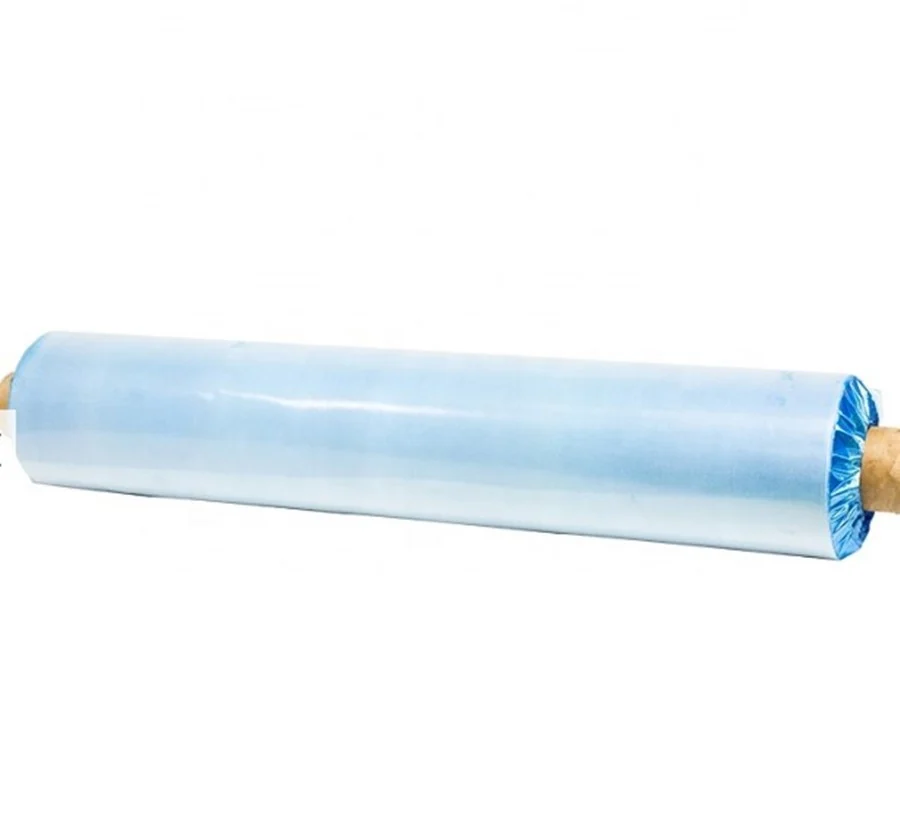
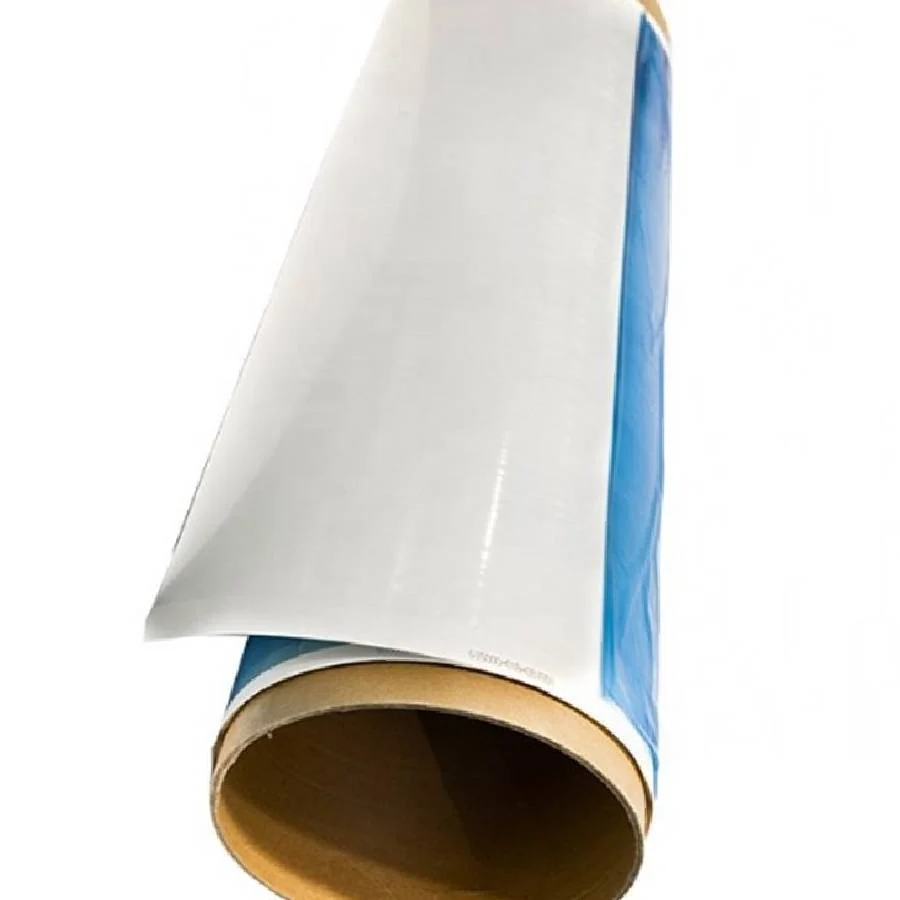
Composite mold materials are advanced engineering materials designed to meet the demanding requirements of modern manufacturing industries. These materials are widely used in molding applications where high strength, precision, thermal stability, and durability are essential. Compared with traditional metal molds, composite mold materials offer significant advantages in weight reduction, cost efficiency, corrosion resistance, and design flexibility. Our composite mold materials are manufactured using high-quality resin systems combined with reinforced fibers such as glass fiber, carbon fiber, or aramid fiber. This combination ensures excellent mechanical strength while maintaining lightweight characteristics. The result is a material that can withstand high pressure, repeated use, and complex molding conditions without deformation or performance loss. One of the key features of composite mold materials is their superior thermal stability. They maintain structural integrity under high-temperature environments, making them suitable for injection molding, vacuum forming, and thermoforming processes. Additionally, their low thermal expansion coefficient ensures dimensional accuracy and consistent product quality during production. These materials are also known for their excellent surface finish properties. They allow smooth and precise mold surfaces, reducing the need for extensive post-processing and improving production efficiency. Their corrosion resistance makes them ideal for use in humid, chemical, or harsh industrial environments, significantly extending mold lifespan. Composite mold materials are widely applied in industries such as automotive manufacturing, aerospace, electronics, construction materials, packaging, and consumer goods production. In automotive applications, they are used for interior panels, structural components, and prototype development. In aerospace, they support lightweight and high-strength component fabrication. In electronics, they are used for precision housings and insulating parts. Another major advantage is their design flexibility. Composite materials can be molded into complex shapes that are difficult or expensive to achieve with metal molds. This allows engineers and designers to develop innovative product structures while reducing manufacturing costs and production cycles. In terms of maintenance, composite mold materials require minimal upkeep compared to traditional steel molds. Their resistance to wear, rust, and chemical damage reduces downtime and maintenance costs, improving overall production efficiency. In conclusion, composite mold materials represent a modern, efficient, and cost-effective solution for advanced manufacturing needs. They combine strength, precision, durability, and versatility, making them an essential choice for industries seeking high-performance molding solutions.
Composite solution SI / metric Project documentation
Glass fiber prepreg is a semi-finished composite material with glass fiber as the reinforcing material and resin as the matrix. It is a storable sheet material formed through precise control of the resin impregnation pro…
Glass fiber mold prepreg is a composite semi-finished product specially designed for mold manufacturing. It uses glass fiber as the reinforcement and low-shrinkage modified resin as the matrix. Its core advantage is that…
Glass fiber thermoplastic prepreg is a composite semi-finished product with glass fiber as the reinforcement and thermoplastic resin as the matrix. Its core advantages are repeated heating and forming and recyclability.…
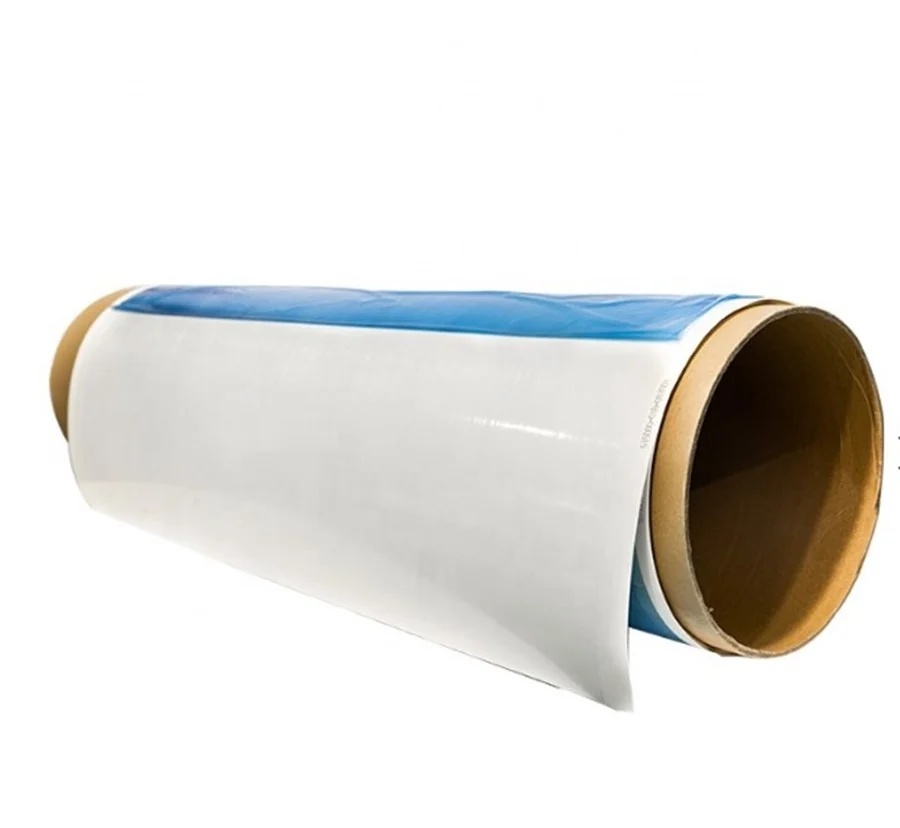 95A6
95A6